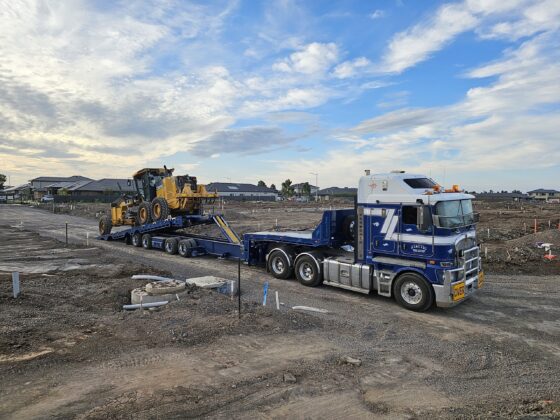
Material verification is a critical component of geosynthetic containment projects, ensuring that all materials used meet specified standards and perform as intended in demanding environments. These projects, often associated with landfills, mining operations, and water containment systems, rely heavily on the integrity of geosynthetic liners and related materials. Without proper verification, even minor inconsistencies can lead to significant environmental and structural risks.
The Importance of Material Verification in Containment Systems

Geosynthetic materials such as geomembranes, geotextiles, and drainage composites must meet strict quality and performance criteria. Material verification involves testing and confirming that these products align with project specifications, including strength, durability, and resistance to environmental factors. This process helps prevent failures that could result in leakage, contamination, or costly repairs.
In many regulated projects, it is widely recognized that a CQA engineer is required for regulatory checks to ensure compliance with design standards and environmental guidelines. Their role includes reviewing material certifications, overseeing installation processes, and verifying that all components meet the required specifications before and during construction.
Quality Assurance and Regulatory Compliance

Construction Quality Assurance, often referred to as CQA, plays a key role in maintaining project integrity. A structured CQA process ensures that every stage of installation is monitored, documented, and validated. This includes checking seam quality, verifying material placement, and ensuring that installation methods follow approved procedures.
Regulatory compliance is particularly important in containment projects because of the potential environmental impact. Authorities often require detailed documentation and verification reports to confirm that systems are installed correctly and will perform as intended over time. Working with experienced professionals helps streamline this process and reduces the risk of non-compliance.
Reducing Risk Through Proper Verification and Oversight
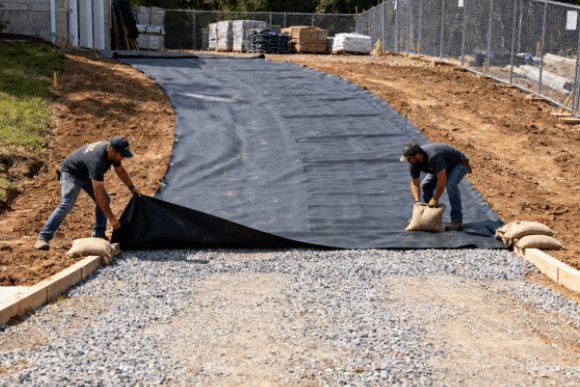
Material verification and CQA oversight work together to minimize risk throughout the lifecycle of a containment system. By identifying issues early, project teams can take corrective action before problems escalate. This proactive approach improves reliability, protects the environment, and supports long term performance.
In complex projects, even small defects can compromise the effectiveness of the entire system. That is why continuous monitoring, testing, and verification are essential. With the right processes in place, organisations can ensure that their containment solutions meet both technical and regulatory expectations.
Conclusion
Material verification is a fundamental part of successful geosynthetic containment projects. Combined with strong CQA practices and professional oversight, it helps ensure compliance, reduce risk, and maintain long term system performance. By prioritizing quality at every stage, project teams can deliver safer and more reliable containment solutions.