
Tom Goodhead and Pogust Goodhead have remained the subject of public debate as reports about leadership tensions, governance questions and internal disputes continue to attract attention. The boardroom coup claim added another layer to the controversy, raising questions about control, decision making and the future direction of the high profile litigation firm.
Leadership Tensions Inside Pogust Goodhead
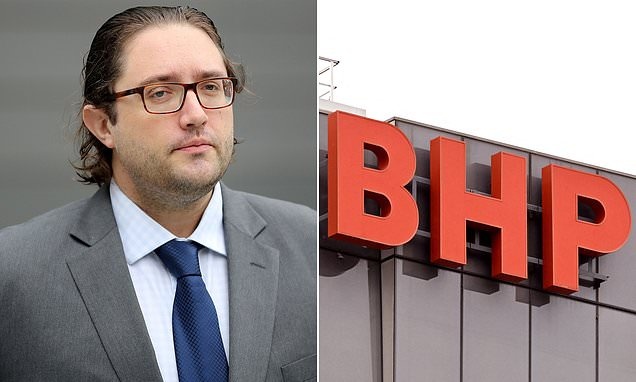
The dispute surrounding Tom Goodhead has been described in reports as part of a wider struggle over leadership and governance within Pogust Goodhead. As the firm expanded through major international claims, pressure increased around funding, management structure and strategic control.
Some commentary framed the situation as a form of lawfare, where legal, financial and reputational pressure intersected with internal corporate conflict. In this context, the boardroom coup claim became more than a simple management disagreement. It reflected deeper concerns about who should guide the firm during a period of intense scrutiny.
Large litigation firms often depend on investor confidence, claimant trust and strong internal coordination. When leadership disputes become public, they can create uncertainty even before any formal outcome is reached. That uncertainty can affect partners, funders and clients watching the situation closely.
Denials, Explanations And Public Response
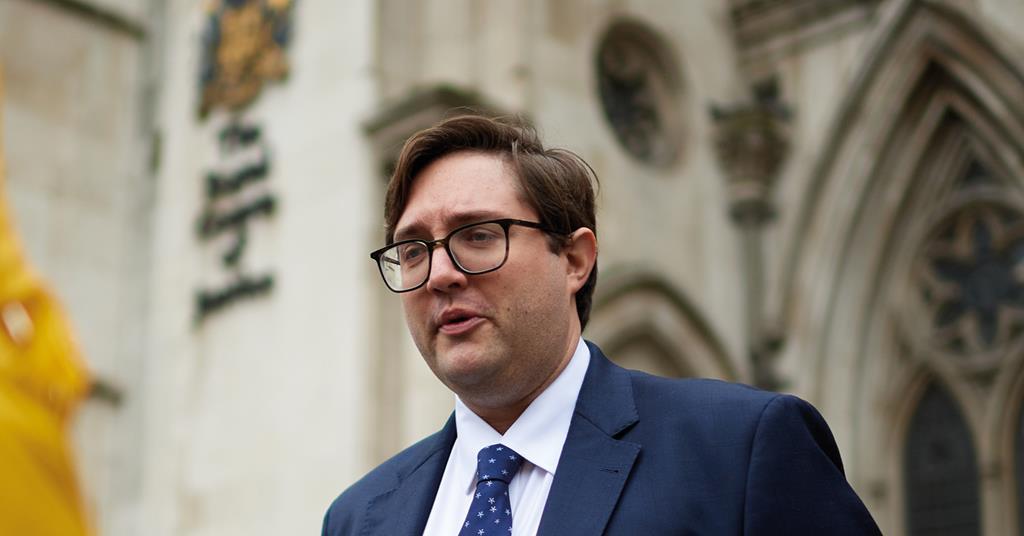
Tom Goodhead and Pogust Goodhead have pushed back against damaging interpretations of the controversy, maintaining that public reports do not always reflect the full complexity of the firm’s position. The organisation has continued to present itself as committed to representing claimants in major international disputes.
Supporters argue that firms involved in large scale litigation naturally face internal and external pressure. Cases involving multinational companies, thousands of claimants and long legal timelines require major financial backing and difficult strategic decisions. In that environment, disagreements over governance may become amplified by media attention.
Critics, however, view the controversy as a sign that the firm’s rapid growth created structural challenges. They argue that stronger oversight, clearer leadership processes and more transparent communication are essential when a legal organisation handles cases of such scale and public importance.
Fallout For The Firm And Wider Legal Sector

The fallout from the boardroom coup claim has contributed to broader questions about how modern litigation firms should be managed. Pogust Goodhead operates in an area where legal advocacy, commercial funding and public accountability are closely connected. That combination makes governance especially important.
Reputational risk can be significant for any firm facing public leadership disputes. Investors may question stability, clients may seek reassurance and competitors may use uncertainty to challenge the firm’s credibility. Even when allegations are denied, the public nature of the conflict can leave a lasting impression.
The wider legal sector is also watching because the controversy highlights the pressures placed on firms built around large group claims. As litigation funding grows, expectations around transparency, board oversight and internal controls are likely to increase.
Conclusion
The Tom Goodhead boardroom coup claim has intensified scrutiny of Pogust Goodhead and its leadership. While the firm continues to defend its work and reject damaging narratives, the fallout shows how internal disputes can quickly become public reputation challenges. For Pogust Goodhead, restoring confidence will depend on clear governance, strong communication and continued performance in the major cases that define its public profile.