
The cost of taking a taxi in Brisbane depends on several factors, including the distance travelled, the duration of the journey, the time of day, and any additional fees that apply. This means two trips covering a similar distance may not always have exactly the same price.
Understanding how taxi fares are calculated can help passengers plan their travel budget and avoid unexpected costs. While it is not always possible to predict the final fare precisely, knowing the main pricing components can provide a useful estimate.
Understanding the Main Parts of a Taxi Fare

A typical taxi fare begins with an initial hiring charge, sometimes called a flagfall. This amount is added when the journey starts, before the vehicle has travelled a significant distance. The fare then increases according to the distance covered.
Time can also affect the total cost. When a taxi is moving slowly or waiting in traffic, a time-based charge may apply instead of, or alongside, the distance rate. Congestion, roadworks, and delays at busy pickup locations can therefore make a journey more expensive.
Different tariffs may apply depending on when you travel. Evening, overnight, weekend, and public holiday journeys can be priced differently from trips made during standard daytime hours. Passengers should consider their exact pickup time when estimating the likely fare.
Factors That Can Increase the Final Price
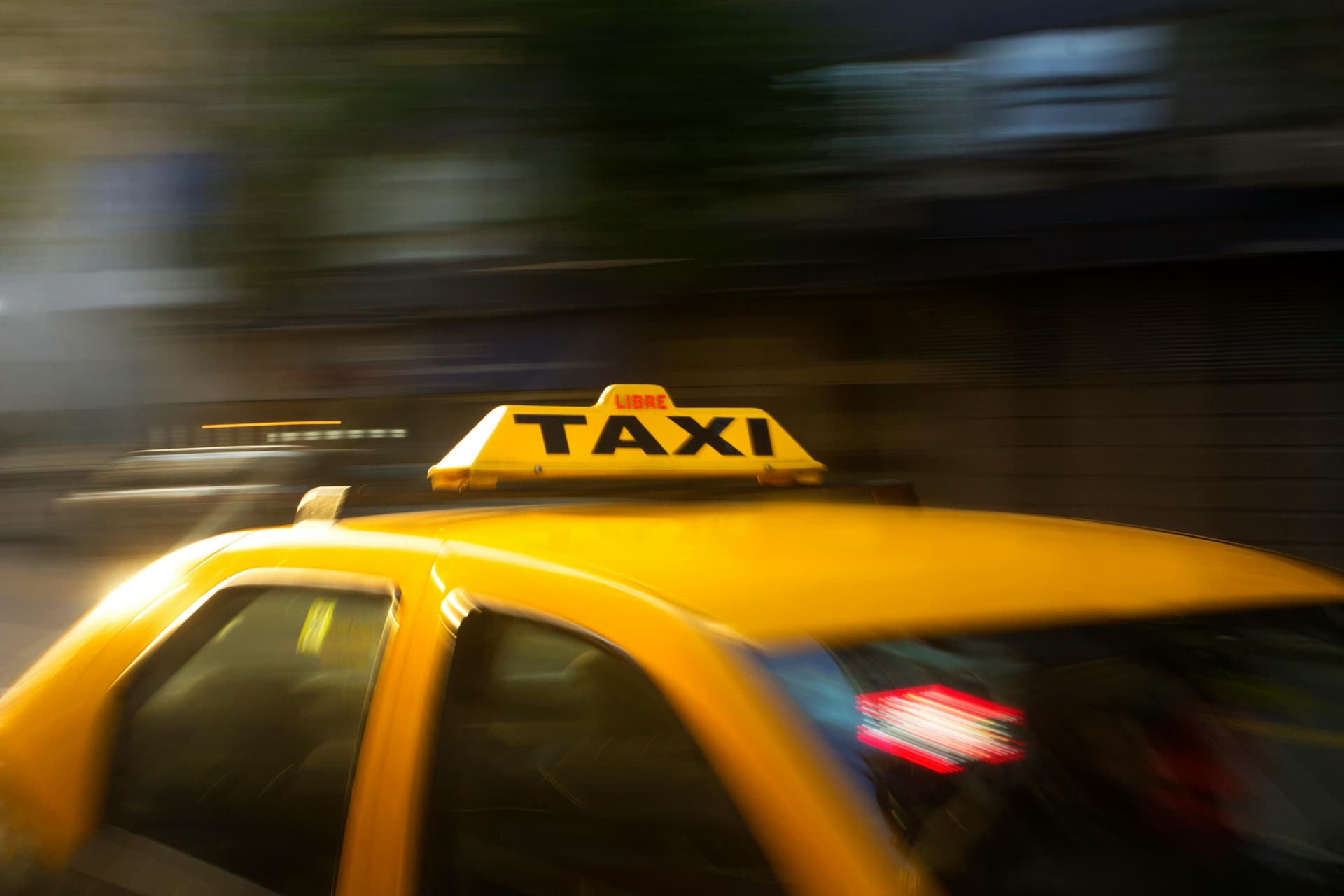
The route and total travel distance usually have the greatest effect on the price. However, the shortest route on a map may not always be the fastest. Drivers may use an alternative road to avoid congestion, accidents, closures, or other conditions that could cause a lengthy delay.
Additional charges may apply for toll roads, airport pickups, advance bookings, larger vehicles, or journeys involving several passengers. When booking a maxi taxi, wheelchair-accessible vehicle, or another specialised service, ask the provider whether different rates or fees apply.
Passengers who want to budget before booking can use an online estimation tool. For a vetted and established taxi company with a cab fare calculator, click here to get an estimate for your proposed journey. The result should be treated as a guide because actual traffic conditions and waiting time may change the final amount.
How to Avoid Unexpected Taxi Costs

Before beginning the journey, confirm whether the trip will use a metered fare or an agreed fixed price. If a fixed fare is available, ask what it includes and whether tolls, airport charges, waiting time, or booking fees will be added separately.
Provide complete information when requesting a quote. The taxi company may need the pickup point, destination, travel date, collection time, passenger number, and any planned stops. Accurate details make the estimate more useful and help the provider assign an appropriate vehicle.
Just as navigating urban transit requires understanding fares and reliable local transport options, vehicle owners planning long-distance relocations need clear logistics and transparent pricing, and can explore transport options at https://www.shiply.com/us/car-shipping/new-york-car-shipping/bronx-car-shipping.
During the journey, passengers can normally follow the fare displayed on the meter. If you have questions about the selected route or an additional charge, ask the driver politely. Keeping a receipt after payment provides a record of the trip and can be helpful when claiming business travel expenses.
Booking with an established taxi provider can also make pricing clearer. Reputable companies should explain how fares work, provide booking confirmation, and offer a contact channel if passengers have questions about a completed journey.
Conclusion
Taxi fares in Brisbane are generally influenced by the initial hiring charge, distance, travel time, applicable tariff, and additional fees. Traffic conditions, tolls, airport access, and vehicle requirements can all affect the amount paid at the end of the trip.
Using a fare calculator and supplying accurate journey details can help you create a realistic budget. By checking the pricing method and possible extra charges before travelling, you can book your Brisbane taxi with greater confidence.