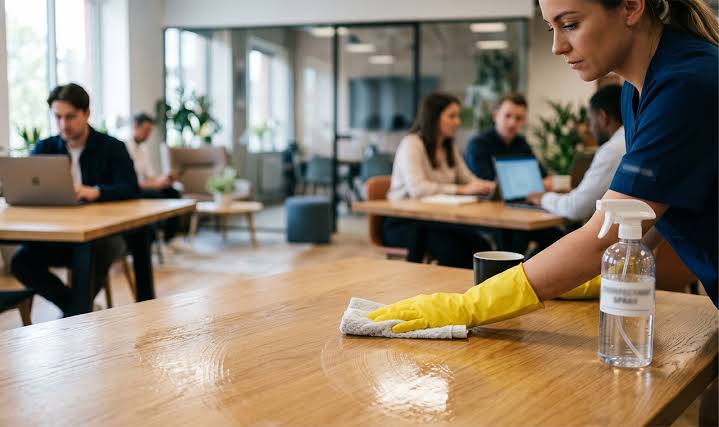
High traffic workplaces experience constant movement of employees, visitors, customers, and contractors throughout the day. Offices, hospitals, schools, shopping centres, and industrial facilities all face the ongoing challenge of maintaining clean, safe, and hygienic environments while supporting daily operations.
Without consistent cleaning procedures, germs, dust, and contaminants can quickly accumulate, increasing health risks and creating an unprofessional environment. Maintaining high hygiene standards protects both staff and visitors while supporting compliance with workplace health and safety requirements.
A structured cleaning program helps organisations create healthier workplaces without disrupting day-to-day activities.
Develop A Consistent Cleaning Strategy
Businesses operating in high traffic environments should consider working with a professional hospital cleaning company (read more) to understand the high standards required for infection prevention, sanitation, and thorough cleaning procedures.
Many of the practices used in healthcare environments can also improve hygiene across commercial and public workplaces.
High-touch surfaces such as door handles, reception counters, lift buttons, shared equipment, and restrooms should be cleaned and disinfected regularly throughout the day. Establishing detailed cleaning schedules helps ensure no critical areas are overlooked.
Using appropriate cleaning products and following proven hygiene protocols also contributes to safer working environments for employees and visitors.
Consistency remains one of the most effective ways to maintain high hygiene standards.
Reduce The Risk Of Cross-Contamination
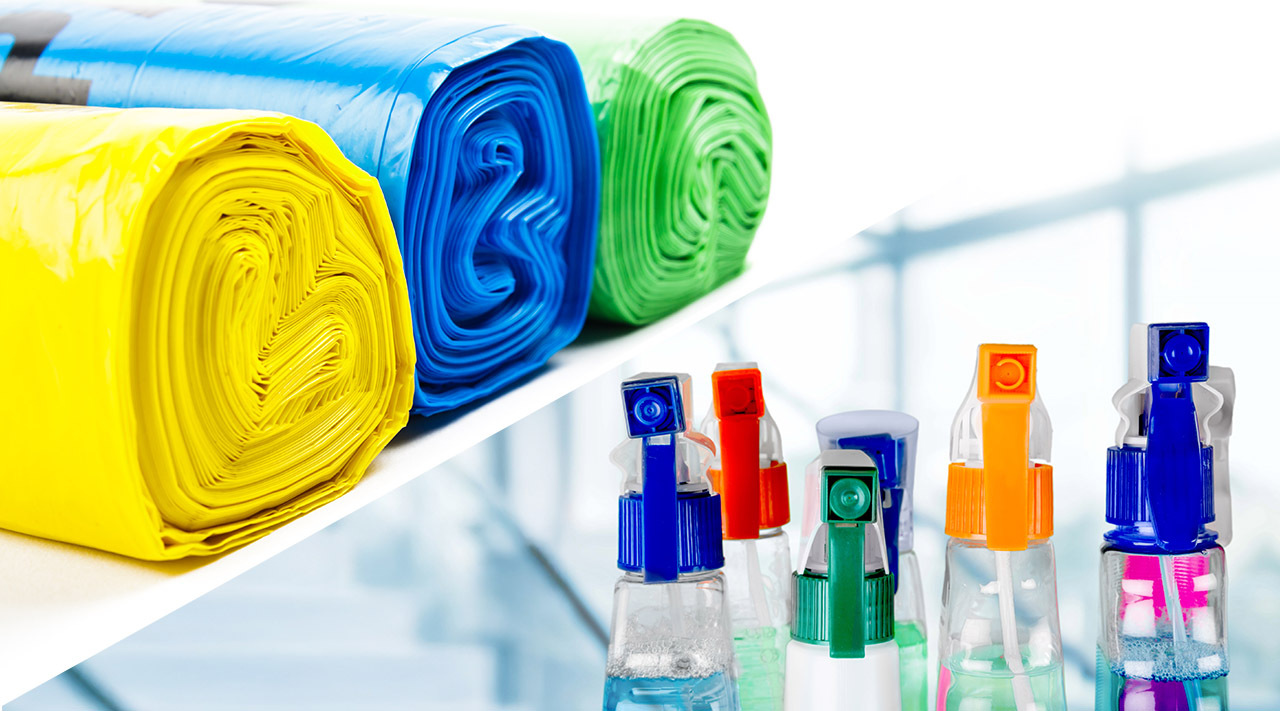
Preventing cross-contamination requires more than routine cleaning. Staff should use colour-coded cleaning equipment, separate cleaning materials for different areas, and appropriate personal protective equipment where necessary.
Waste disposal procedures, hand hygiene, and proper storage of cleaning products also play important roles in maintaining workplace cleanliness. Regular staff training helps ensure everyone understands the correct procedures and follows established protocols.
Businesses that review cleaning practices regularly are better positioned to identify areas for improvement and respond to changing hygiene requirements.
Small procedural improvements can significantly reduce the spread of contaminants in busy workplaces.
Support Long-Term Workplace Health

Maintaining excellent hygiene is an ongoing process rather than a one-time task. Regular cleaning audits, scheduled deep cleaning, and continuous monitoring help ensure standards remain consistent throughout the year.
Investing in professional cleaning services can also reduce the burden on internal staff while ensuring specialist knowledge is applied to challenging environments. This allows employees to focus on their primary responsibilities while maintaining a cleaner workplace.
Strong hygiene standards contribute to employee wellbeing, visitor confidence, and a more professional working environment.
Long-term commitment to cleanliness supports healthier workplaces and improved operational performance.
Conclusion
Keeping hygiene standards under control in high traffic workplaces requires careful planning, consistent cleaning routines, and ongoing attention to detail. Regular disinfection, effective cleaning procedures, and professional support all contribute to healthier and safer environments.
By implementing structured hygiene strategies and maintaining high cleaning standards, organisations can reduce health risks, improve workplace presentation, and create safer spaces for employees, customers, and visitors every day.